
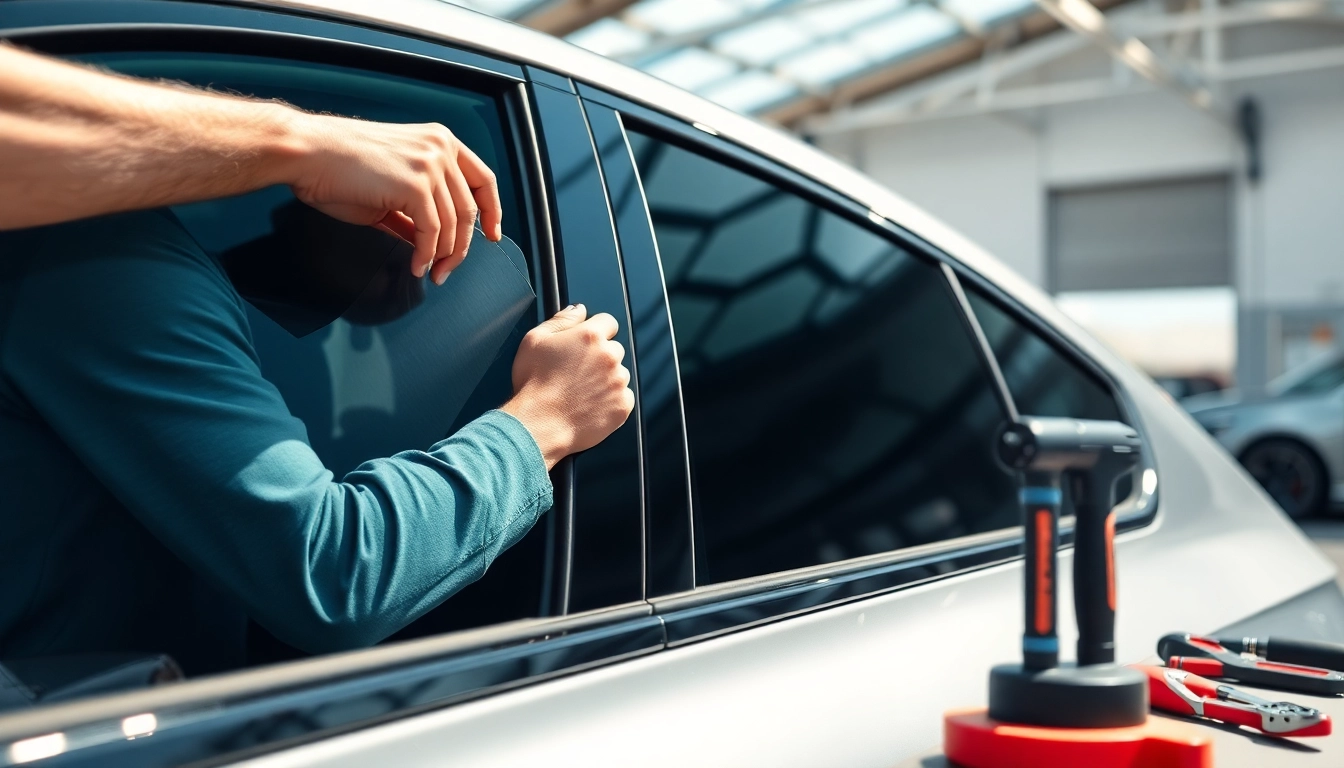
Understanding Window Tinting Cleveland TN
What is Window Tinting?
Window tinting involves applying a thin film to the glass surfaces of vehicles or buildings to reduce glare, enhance privacy, and improve aesthetics. This film can also provide UV protection and temperature regulation. In window tinting Cleveland TN, the varied climate and urban setting contribute to the growing popularity of this practice among both car owners and homeowners. The application of window tint can be a straightforward process but demands an understanding of the types and characteristics of the films available in the market.
The Benefits of Window Tinting
- UV Protection: Window tinting can block up to 99% of harmful UV rays, protecting your skin and interior upholstery from fading.
- Heat Reduction: Tinted windows can significantly reduce the heat that enters your vehicle or home, enhancing comfort and reducing the need for air conditioning.
- Increased Privacy: Tints allow you to maintain your privacy from prying eyes while still letting light in.
- Safety and Security: In the event of an accident, window films can hold shattered glass together, reducing the risk of injury.
- Improved Aesthetics: Tinted windows can enhance the overall look of your vehicle or property, providing a sleek and polished appearance.
Types of Window Tint Available
There are several types of window tints available, each with its unique benefits:
- Dyed Window Film: This is the most cost-effective option, offering a dark appearance but limited UV protection.
- Metalized Window Film: Featuring reflective properties, this type retains heat and enhances durability.
- Carbon Window Film: Known for excellent heat rejection and fading effects, carbon tints also provide a stylish matte finish.
- Ceramic Window Film: The most advanced option, ceramic films provide superior heat rejection without affecting visibility and do not interfere with electronic devices.
Choosing the Right Tint for Your Car
Factors to Consider When Selecting Window Tint
Selecting the right tint involves several important factors, including:
- Legal Restrictions: Various states have different laws regarding the darkness and reflectiveness of window tints.
- Climate: If you reside in a warmer climate, opt for a tint that offers enhanced heat rejection.
- Purpose: Determine whether you want the tint primarily for privacy, heat reduction, or aesthetic value.
- Budget: Evaluate how much you’re willing to spend as the costs can significantly vary based on film type and installation.
Laws and Regulations for Window Tinting Cleveland TN
In Cleveland, TN, specific regulations govern the use of window tinting. For instance, the front windshield can only have a non-reflective tint above the manufacturer’s AS-1 line. The side windows and rear window may have darker tints, but it’s crucial to familiarize yourself with state laws to avoid potential fines. Always verify current legal guidelines or consult with local automotive professionals to ensure compliance.
Professional vs. DIY Window Tinting
When considering window tinting, you can either hire professionals or attempt a do-it-yourself (DIY) installation. Professional installation ensures a higher quality result, often backed by warranties. Professionals also have access to superior tools and materials. DIY can save money but might lead to issues like bubbling or peeling if not done correctly. Assess your comfort level with DIY projects against the importance of quality and durability in the final result.
Installation Process of Window Tinting Cleveland TN
Preparing Your Vehicle for Tinting
Before installing window tint, take preparatory steps to ensure ideal conditions. Clean your vehicle’s windows thoroughly to remove dirt, grease, and any other residue. An immaculate surface is essential for adhesion. Consider working in a controlled environment, avoiding direct sunlight to prevent premature drying of the adhesive.
Step-by-step Guide to Tint Installation
- Measure and Cut: Measure your windows accurately and cut the tint film slightly larger than the window.
- Spray Solution: Use a spray solution (water and a few drops of soap) to moisten the glass and the adhesive side of the film.
- Apply Film: Place the film on the window, smoothing out bubbles and creases as you go.
- Trim Excess Film: Use a sharp blade to carefully trim away the excess film.
- Heat Shrinking (if necessary): For curved windows, use a heat source to help conform the film to the shape of the glass.
- Final Squeegee: Run a squeegee over the film to ensure proper adhesion and remove any remaining bubbles.
Common Mistakes to Avoid During Installation
To avoid pitfalls during tint installation:
- Don’t rush through the cleaning process; any contaminants can lead to imperfections.
- Ensure measurements are accurate to avoid having to re-cut the film.
- Don’t use excessive heat, as it can cause the tint to warp or peel.
- Pay attention to the alignment and avoid creating air bubbles under the film.
Maintaining Your Window Tint
Care Tips for Long-lasting Tint
Proper maintenance can extend the life of your window tint significantly. Here are some essential care tips:
- Wait at least 48 hours before rolling down your windows after installation.
- Use gentle, non-ammonia cleaners on the glass to maintain the film integrity.
- Wipe down the tinted windows regularly with a soft cloth to avoid scratches.
- Keep an eye out for bubbles or peeling; addressing issues early can prevent more extensive damage.
Handling Damage or Peeling Tint
If you notice any damage or peeling in your window tint, it’s essential to handle it promptly. Small bubbles can often be smoothed out with squeegees or by carefully reapplying heat. For more significant peeling or tears, it may be necessary to remove and replace the affected sections or the entire tint to maintain aesthetics and functionality.
When to Replace Your Window Tint
Window tint does not last indefinitely. Factors like sun exposure and window cleaning frequency affect longevity. Generally, high-quality films can last up to ten years. However, you should consider replacing your tint if you observe discoloration, significant bubbling, or if it fails to provide the same level of heat or UV protection.
FAQs About Window Tinting Cleveland TN
How long does window tinting last?
The longevity of window tint depends on the type of film used, but high-quality films can last between 5 to 10 years with proper care.
Can I wash my car after window tinting?
It’s recommended to wait at least 48 hours before washing your car to allow the tint to fully adhere to the glass.
What are the best window tinting options for UV protection?
Ceramic window films offer the best UV protection without affecting visibility and are highly effective for heat rejection.
Is window tinting legal in Cleveland TN?
Yes, but there are specific regulations regarding tint darkness and reflectivity that must be adhered to, especially for front windshield tints.
How much does window tinting typically cost?
The cost of window tinting can vary widely based on vehicle type and tint quality, but prices generally range from $100 to $400 for a standard car.
