
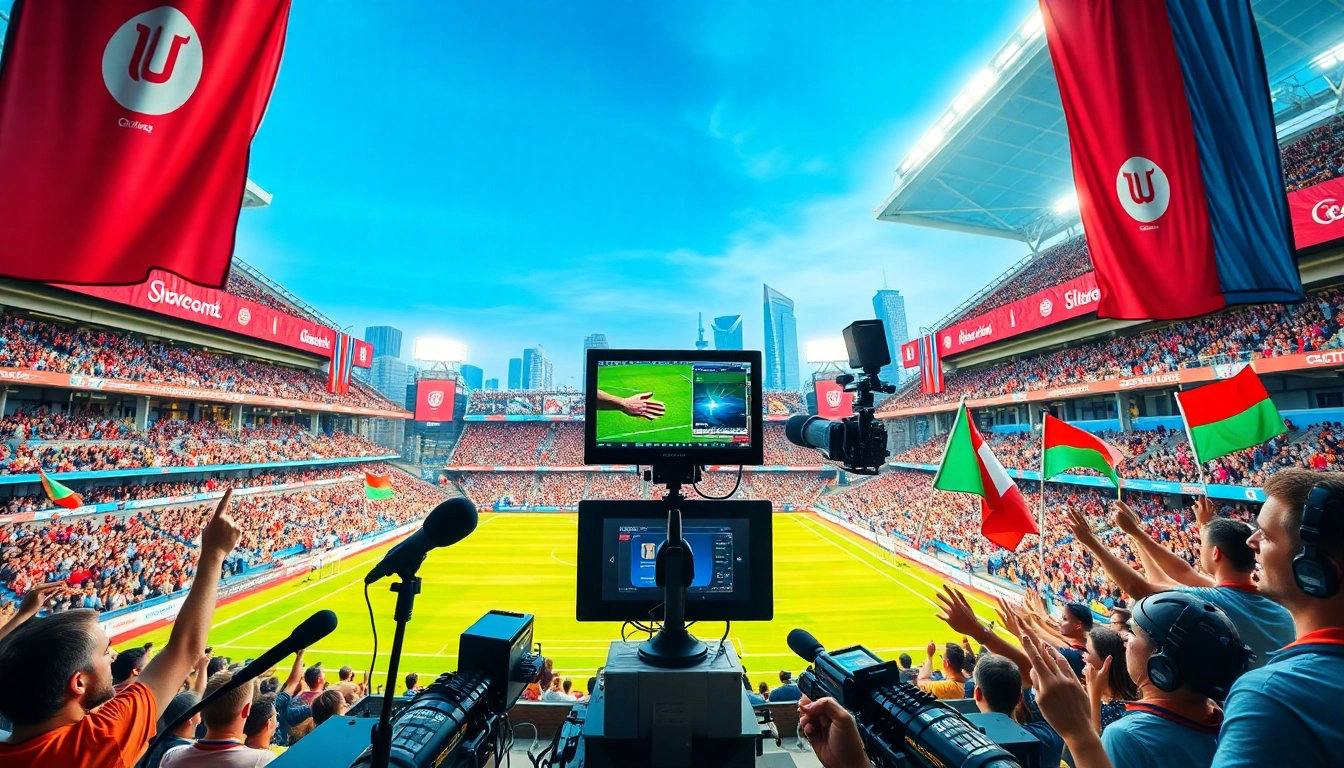
Understanding Sports Broadcasting
Defining Sports Broadcasting
Sports broadcasting refers to the process of covering and transmitting sporting events via electronic media, including television, radio, and digital platforms. It plays a pivotal role in the sports industry, providing fans with access to live events, analyses, and commentary. By offering a window into the world of sports, broadcasting not only enhances viewer engagement but also drives significant revenue through advertising, sponsorships, and broadcasting rights. The importance of Sports Broadcasting lies in its ability to connect fans with their favorite teams and athletes, regardless of geographical boundaries.
Evolution of Sports Broadcasting
The journey of sports broadcasting has evolved dramatically over the decades. It began with radio broadcasts in the early 20th century, where listeners tuned in to catch live commentary of major sports events. The introduction of television in the 1950s revolutionized the industry, allowing fans to watch games in real-time from the comfort of their homes. As technology progressed, sports broadcasting expanded into satellite television and cable networks, offering dedicated sports channels that catered to specific audiences.
In the 21st century, the rise of the internet has further transformed sports broadcasting with the introduction of streaming services. Fans are no longer confined to traditional media; they can watch live events on-demand and access personalized content tailored to their preferences. This evolution reflects the industry’s adaptability to new technologies and changing consumer behavior, emphasizing the need for broadcasters to innovate continuously.
Key Technologies in Sports Broadcasting
Today, numerous technologies play a crucial role in enhancing the quality and experience of sports broadcasting. These range from high-definition cameras and advanced graphics to data analytics and augmented reality. High-definition and ultra-high-definition cameras ensure crystal-clear visuals, providing viewers with an immersive experience. Meanwhile, graphic overlays can present statistics and real-time information, enriching the audience’s understanding of the game.
Furthermore, data analytics tools monitor viewer engagement, preferences, and performance metrics, allowing broadcasters to fine-tune their offerings. Emerging technologies such as virtual reality (VR) and artificial intelligence (AI) are also beginning to facilitate interactive viewing experiences, creating new opportunities for viewer engagement and personalization.
Types of Sports Broadcasting
Live Broadcasting versus Recorded Highlights
One of the primary distinctions in sports broadcasting is between live broadcasts and recorded highlights. Live broadcasts offer real-time coverage of events, providing viewers with an authentic experience as the action unfolds. This immediacy is crucial during high-stakes games, where every play can change the outcome. Live broadcasts are also enhanced by commentators who add expert analysis and excitement, engaging viewers on multiple platforms, including social media.
In contrast, recorded highlights play a crucial role in reaching audiences who might not have been able to watch the live event. These highlights condense crucial moments into a few minutes, making it easier for fans to catch up at their convenience. Both formats serve essential purposes and cater to different audience segments, ensuring that sports broadcasters can maximize viewer engagement.
Digital Platforms and Traditional Media
The landscape of sports broadcasting includes both digital platforms and traditional media. Traditional media, such as TV and radio, have long been the mainstay of sports broadcasting. Major networks invest heavily in broadcasting rights for major sporting events, which contributes to the prestige of traditional platforms. However, the rise of digital platforms has changed the game significantly.
Streaming services such as OTT platforms now provide access to a wide array of sports content, often including exclusive interviews, behind-the-scenes footage, and interactive features. These platforms reach younger audiences who prefer on-demand content rather than scheduled programming. The integration of social media has further transformed the broadcasting experience, allowing fans to interact in real-time and share their thoughts during live events.
Regional vs. National Sports Broadcasting
Sports broadcasting can be categorized into regional and national broadcasts, each serving different purposes and audiences. Regional sports broadcasting focuses on local teams, providing coverage that resonates with specific communities. This form of broadcasting helps foster a strong sense of local pride and connection between fans and their teams.
On the other hand, national sports broadcasting encompasses events with widespread appeal, attracting viewers from across the country. These broadcasts feature high-profile leagues and events, offering a platform for nationwide viewers to engage with sports regardless of their geographic location. Balancing regional and national broadcasts is essential for broadcasters, as it allows them to expand their audience while keeping local fans engaged.
Challenges in Sports Broadcasting
Navigating Rights and Contracts
One of the primary challenges in sports broadcasting is navigating the complex landscape of rights and contracts. Broadcasting rights can be incredibly lucrative, but they also involve intricate negotiations between leagues, teams, and broadcasters. These rights can dictate which channels can air games and how audiences can access them, presenting challenges for content distribution.
Moreover, as the demand for content increases, broadcasters must be equipped to adapt to shifting legal frameworks and licensing agreements. It is essential to have knowledgeable legal teams and strategic partnerships to navigate these complexities effectively and maintain competitive advantage in the market.
Managing Viewer Engagement
Viewer engagement is another critical challenge for sports broadcasters. With the rise of streaming services and a plethora of content options available across multiple platforms, capturing and retaining viewer attention can be difficult. Broadcasters must constantly innovate and provide unique, interactive experiences to stand out in a crowded marketplace.
Employing strategies such as fan polls, live interactions during broadcasts, and personalized content can enhance viewer engagement. Analyzing viewer behavior through data analytics can help broadcasters tailor their strategies, ensuring that they meet audience preferences and stay relevant in an ever-evolving landscape.
Technological Barriers in Live Events
While technology has significantly advanced sports broadcasting, the reliance on various systems and equipment during live events presents challenges. Issues such as network connectivity, equipment malfunctions, and poor signal quality can affect transmission quality, leading to viewer dissatisfaction. These challenges require contingency planning and robust technical infrastructure to ensure seamless broadcasts.
Continuous training for technical staff and investing in reliable backup solutions also serve as crucial strategies to mitigate risks associated with technological barriers in live sports broadcasting. Fostering relationships with tech providers can further enhance the reliability of broadcasting equipment and services.
Best Practices for Sports Broadcasting
Enhancing Viewer Experience
Enhancing the viewer experience is paramount for sports broadcasters. Providing high-quality visuals combined with informative commentary can elevate the viewing experience significantly. Incorporating viewer preferences through interactive graphics, real-time statistics, and multiple viewing angles can also create an engaging environment that keeps fans invested.
Broadcasters should strive to blend entertainment with education by offering context surrounding player statistics, team histories, and crucial match moments. This enhances viewer understanding, making them feel more connected to the event and its participants.
Building Strong Partnerships
Building strong partnerships is essential for sports broadcasters to navigate the complexities of content creation and distribution. Developing relationships with leagues, teams, and technology providers can lead to more effective broadcasting strategies and access to exclusive content. Partnering with local businesses and sponsors can also generate additional revenue streams while enhancing community ties.
Effective collaboration can facilitate enhanced content delivery strategies and ensure aligned messaging, which can be beneficial for engaging fans and capitalizing on promotional opportunities.
Using Analytics for Improvement
Using analytics in sports broadcasting provides invaluable insights into viewer behavior, preferences, and performance metrics. By analyzing data, broadcasters can identify trends in viewership, including peak audience times, content types that resonate best, and engagement levels across different platforms.
This data-driven approach not only aids in refining content strategies but also helps broadcasters remain agile in a constantly changing environment. Implementing feedback loops and being responsive to viewer needs can significantly enhance overall performance and satisfaction.
Future Trends in Sports Broadcasting
Impact of Streaming Services
The impact of streaming services on sports broadcasting cannot be overstated. As audiences shift towards on-demand content consumption patterns, streaming platforms have gained unprecedented popularity. Broadcasters must adapt to this change by providing flexible viewing options, including the ability to watch live, on-demand archives, and access to bonus content unique to digital platforms.
This transition poses challenges, including the need for robust streaming technology and competitive content offerings. Nonetheless, it also presents opportunities for innovation, as broadcasters can explore new formats, such as interactive viewing experiences and mobile applications catering to viewer preferences.
Emerging Technologies
Emerging technologies are set to redefine the future of sports broadcasting. Innovations such as 5G technology will enable faster, more reliable streaming experiences, enhancing the quality of live games and interactive content. Additionally, virtual reality (VR) and augmented reality (AR) can offer immersive experiences, allowing fans to engage with personalised content or simulate the experience of being at a live event from home.
The increasing integration of AI in sports analytics and personalized content recommendations also promises to improve viewer engagement, as broadcasters can tailor content based on individual preferences, making each viewer’s experience unique.
Consumer Behavior Shifts
Consumer behavior towards sports broadcasting is continually evolving. Factors such as the rise of mobile consumption, social media influences, and the increasing popularity of eSports are shaping how audiences interact with sports content. Broadcasters must keep a pulse on these shifts to remain relevant, engaging with audiences through storytelling, social media interaction, and community building initiatives.
Broadcasters who prioritize consumer trends and embrace the changing landscape will be better positioned to succeed in the fast-paced world of sports broadcasting, ensuring content remains engaging and meaningful.
FAQs about Sports Broadcasting
What is sports broadcasting?
Sports broadcasting refers to the transmission of sports events via media like television, radio, or online platforms, aimed at providing live coverage, highlights, and analysis to fans.
How has technology influenced sports broadcasting?
Technology has transformed sports broadcasting through high-definition visuals, data analytics, streaming services, and emerging technologies like VR and AI, enhancing consumer engagement and viewing experiences.
What are the main challenges faced in sports broadcasting?
Main challenges include navigating broadcasting rights, managing viewer engagement amidst competition, and overcoming technological barriers during live events to ensure quality transmissions.
How does sports broadcasting engage viewers?
Engagement is achieved through interactive content, real-time statistics, expert commentary, and community engagement via social media, which fosters a deeper connection with sports events.
What are emerging trends in sports broadcasting?
Emerging trends include the rise of streaming services, the integration of VR and AR for immersive experiences, and shifts in consumer behavior towards on-demand and interactive content consumption.